Geophysics


Mines geophysics professor Matt Siegfried is a member of NASA’s EDGE mission to map the planet’s ice and ecosystems with the most accurate spaceborne altimeter ever.
International team co-led by Colorado School of Mines professor provides first detailed evidence of long-suspected hidden freshwater aquifers beneath the ocean floor
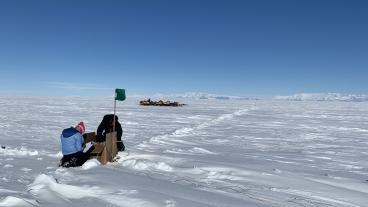
Using high-resolution satellite data, Mines geophysicists discover that Antarctic subglacial lakes are more dynamic than previously thought, doubling estimates of water moving under the ice.
Mines critical minerals experts are ready to handle media questions about the extraction and processing of these important elements.
Colorado School of Mines has a variety of geothermal experts who stand ready to answer questions from journalists about this rapidly expanding energy field.
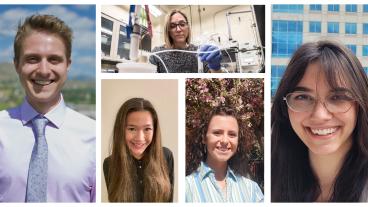
Mines PhD students win NASA grants to study ocean waves and Antarctic tides, uncovering new insights into Earth’s dynamic systems.
Mines Geophysics Professor Brandon Dugan is co-chief scientist on the international expedition, a collaboration between the International Ocean Drilling Programme and U.S. National Science Foundation.
In the 1960s, scientists were quite surprised when they looked at their data: it clearly showed that there was fresh or freshened water under the ocean floor. How did it get there? How long has it
The PECASE is the highest honor bestowed by the U.S. government to scientists and engineers who are early in their careers as researchers and show leadership promise in fields of science and technology.
Award advances the development of CTV III Carbon Storage Project in California